
Residential guide
Do I need an asbestos survey before gutting a 1950s Downsview bungalow?
Yes. Under OHSA section 30, the owner must find out whether designated substances such as asbestos are present before the work is tendered or arranged, and must give that report to every contractor pricing the job, while any asbestos work itself is governed by O. Reg. 278/05.
- Designated substances
- Asbestos
- Post-war homes
MetroPoint Demolition planning guide · Published 2026-09-28. Confirm property-specific requirements with the responsible authority and qualified project professionals.
Why a 1950s house is the reason the survey exists
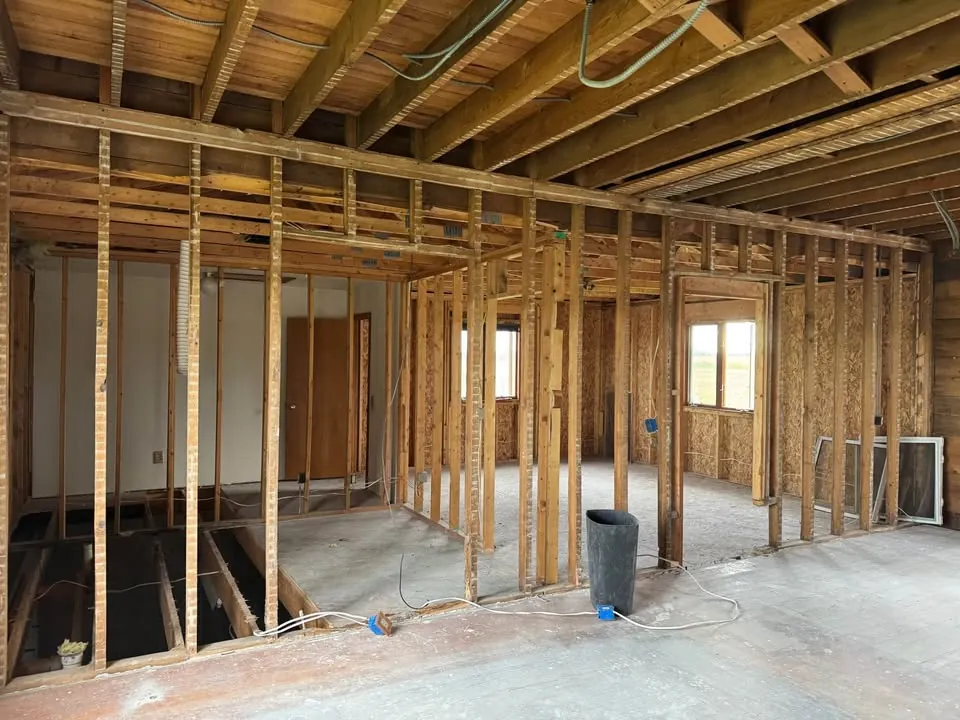
Houses built across Downsview in the years after the war went up quickly, and builders of that era relied on materials that contained asbestos because it was cheap, durable and fire resistant. Those products were used in plaster, flooring, insulation and heating systems; retained materials can require assessment before renovation or demolition disturbs them.
A bungalow that has never been renovated can still hold most of its original finishes. One that was updated in the 1970s or 1980s may have newer layers sitting on top of older ones. Either way, nobody can tell by looking which materials are a problem, which is exactly why Ontario requires the owner to have them identified first.
What typically gets sampled in a post-war bungalow
A qualified surveyor decides what to sample based on the house itself. The following are general examples of materials that are commonly tested in homes of this age, not a complete list:
Sampling in a post-war bungalow is guided by where materials were commonly used and by what the surveyor can see once flooring and finishes are inspected closely. Older plaster and joint compound get particular attention because both were applied throughout a home and can vary from room to room, so one sample from one wall does not automatically clear every wall. Vinyl tile is sampled along with the mastic underneath it, since the two materials were manufactured separately and one can test positive while the other does not. Pipe insulation around the furnace and ductwork is checked wherever it appears, while attic insulation is approached cautiously to avoid unnecessary disturbance. Textured ceilings, sometimes hidden under paint, are another common sample point, as are cement products and older caulking. The surveyor records each sample location precisely so a positive result can be tied to a material and area instead of being treated as a vague warning about the whole house. That location record also helps the abatement contractor isolate the right area and lets the demolition contractor understand which adjoining finishes must remain untouched. A thorough survey follows the planned scope and checks relevant layers, not only the surface an owner expects to remove. That detail gives every contractor pricing the work the same information and lets the demolition sequence be planned without guessing about concealed layers.
- Plaster and drywall joint compound on walls and ceilings
- Vinyl floor tile and the black mastic adhesive beneath it
- Insulation wrapped around heating pipes and ducts
- Vermiculite loose-fill insulation in the attic
- Textured or stippled ceiling finishes
- Cement board, siding panels and some older caulking
Sampling is destructive and comes before the final scope
To test a material, the surveyor has to cut or chip out a small piece of it. That means small holes in walls, floors and ceilings, which is expected and is part of the process. It also means sampling has to happen before the demolition scope is locked in, since the results decide what can be removed by a general crew and what cannot.
The finished report lists each material, where it was found and whether it tested positive. That document is what lets contractors price the same job accurately instead of guessing.
What happens when a sample comes back positive
A positive result does not stop the project; it changes the order of work. A qualified abatement contractor removes the identified material under O. Reg. 278/05, working in its own controlled area. Once that work is complete and the area has been cleared, the demolition crew can come in and proceed with the rest of the gut.
No contractor should start tearing out finishes without the report in hand. Starting blind puts workers and the household at risk and can force a costly stop halfway through the job when a suspect material turns up.
What MetroPoint does about it
MetroPoint does not begin interior demolition until the owner's designated substances survey has been provided and reviewed. We build our schedule around the abatement contractor's work so our crew enters only after their areas are complete, and we keep abated and unabated parts of the house physically separated while work continues. MetroPoint does not perform abatement; that stays with the qualified specialist.
Primary planning references
Frequently asked questions
- Who pays for the designated substances survey?
- The owner arranges the survey because the legal duty to identify designated substances sits with the owner under OHSA section 30. The report then goes to every contractor who is asked to price the work. Having one report shared with all bidders means everyone is quoting on the same information, which makes the proposals easier to compare fairly.
- Can the demolition contractor do the asbestos survey?
- The survey should be done by a qualified consultant who takes samples and has them analysed by a laboratory. A demolition contractor relies on that report rather than producing it. Keeping the two roles separate means the findings are independent of whoever is doing the removal work, which is what owners and crews both want.
- My bungalow was renovated before. Do I still need a survey?
- Yes. A past renovation may have removed some original materials, covered others or added new layers over old ones. Without testing, there is no reliable way to know what remains behind walls, under flooring or above ceilings. The duty to identify designated substances applies to the planned work regardless of how many times the house has been updated.
- How does abatement affect the demolition schedule?
- Abatement happens first, in the areas the report identifies, and the demolition crew follows once those areas are complete. In practice the two contractors coordinate a sequence so the general crew never disturbs a material that has not yet been dealt with. Planning that order early is the best way to avoid gaps or restarts.