
Post-Demolition Inspections in Toronto
A demolition permit remains open until the required City inspection and close-out steps are completed.
Confirm the inspection stages with the assigned Toronto Building office, keep site and permit documents ready, and correct outstanding items before treating the permit as closed.
Inspection is part of the permit
Issuance of a permit does not complete the municipal process. Toronto Building inspections verify work at required stages and a final inspection is used to close the permit. The relevant stages depend on whether the project is demolition only, partial demolition or demolition connected to a replacement building.
Use the permit documents and instructions from the assigned district office to determine when to request inspection. Do not cover work or advance beyond a required checkpoint until the responsible inspector or design professional has completed the applicable review.
Prepare the site for review
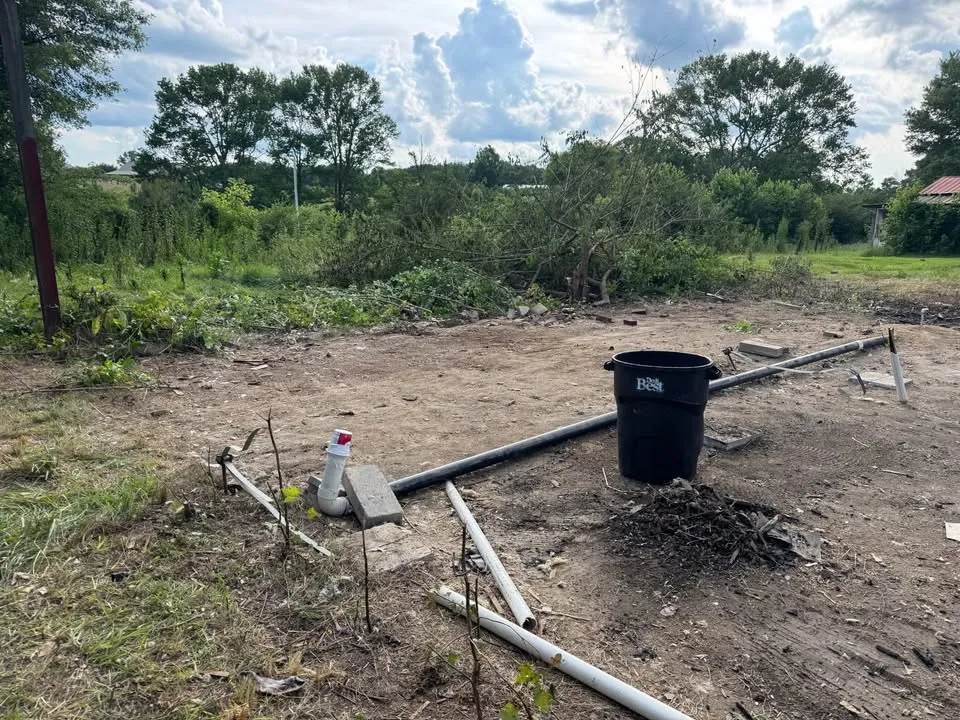
The demolition scope should define what remains, how services are left and the intended site condition. Before inspection, remove debris included in the scope, secure the property and confirm that retained elements and required protection are in the documented condition.
For a cleared site, grading, drainage, fencing and exposed services may be relevant. Toronto's guidance for residential demolition identifies survey or grading information in certain permit paths. The exact close-out documents should be confirmed for the specific permit rather than copied from another property.
Coordinate records and professionals
Keep the issued permit, approved drawings, inspection records and any professional reports available. If an engineer or other consultant is responsible for review, their documentation may also be needed. Utility confirmations and hazardous-material records should remain with the project file.
A deficiency does not necessarily mean the demolition itself must be repeated. It means the responsible party should understand the inspector's direction, correct or document the condition and arrange the follow-up required to close the permit.
Do not leave the permit open
Toronto advises permit holders to request inspections and close permits. Long periods without an inspection can lead to a notice of intention to revoke. An open permit can also complicate future work or property transactions because the approved process has not reached its recorded conclusion.
Before final handover, MetroPoint checks its written scope and clean-up obligations. The owner or permit holder remains responsible for ensuring required City inspections are requested. Ask Toronto Building if the permit record does not clearly show the next step or final status.
Before any demolition begins
Every demolition project should begin with a scope tied to the actual property. Confirm who holds the permit, who is responsible for professional design, and which services must be disconnected or protected. The owner must address the designated-substance duties in section 30 of Ontario's Occupational Health and Safety Act before tendering or arranging the project. Where asbestos-containing material may be disturbed, Ontario Regulation 278/05 applies. These provincial duties remain relevant even when a municipal permit or property approval is already in place.
A site review should record access, occupied areas, neighbouring conditions, items to remain and the route used to remove material. The written scope can then separate demolition from electrical, plumbing, abatement, engineering, restoration and later construction work. If concealed conditions differ from the documents, the affected removal should pause until the responsible party reviews the change. This guide provides general planning information, not legal or engineering advice. Confirm current requirements with the City, the property authority and qualified project professionals.
Key takeaways
- Permit issuance is not permit closure.
- Ask the district office which inspections apply.
- Keep approvals, reports and inspection records together.
- Confirm the final status rather than assuming closure.