
Residential guide
Salvaging hardwood, trim, doors and radiators during a midtown house gut
Pre-war houses in midtown west were built with materials that are hard to find today: solid wood doors, cast iron radiators and old-growth hardwood. When one of those homes is gutted, some of that character can be saved.
Salvage is a choice, though, and it changes how the job runs. Here is what to expect if you want to keep pieces of the original house.
- Salvage
- Older homes
- Selective removal
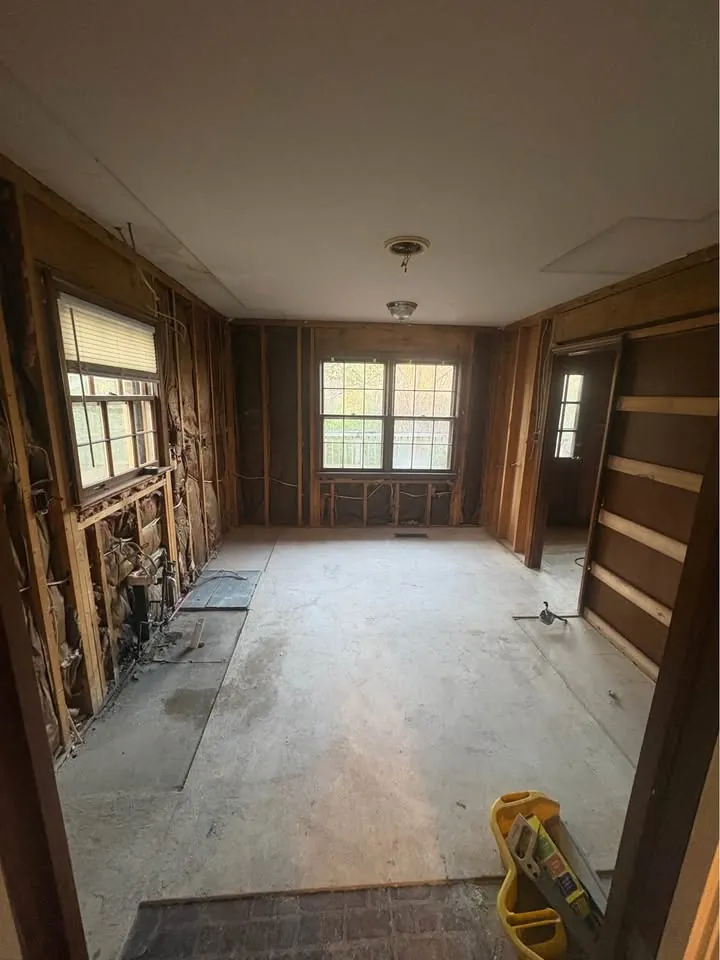
MetroPoint Demolition planning guide · Published 2026-09-28. Confirm property-specific requirements with the responsible authority and qualified project professionals.
What usually survives and what rarely does
Some elements come out in one piece with care:
- Solid panel doors and their original hardware
- Cast iron radiators, once drained and disconnected
- Some baseboard, casings and stair parts such as spindles and newel posts
- Older hardwood that is still in good condition
Others almost never survive removal: plaster, tile, mortar beds and built-ins that were glued or nailed in place over decades.
Salvage takes longer, and the owner decides
Carefully removing a door with its frame, or lifting hardwood board by board, is much slower than demolishing it. That extra time is part of the scope. The owner decides what is worth saving and lists it before work begins, so the crew knows exactly what to protect and nothing gets sent to the bin by mistake.
It helps to walk the house room by room before the crew arrives, marking each item with tape or a tag and photographing it in place. A written list with those photos gives the crew a clear reference, and it lets you decide calmly rather than on the morning the demolition starts, when every door and radiator suddenly seems worth keeping.
Staging, labelling and storing on site
Salvaged pieces need a plan once they are out. The crew typically:
- Labels each piece with its original room and position
- Stacks doors and trim flat, off the floor and away from debris
- Moves radiators with proper equipment because of their weight
- Stores everything in a dry, protected area agreed with the owner
Painted pieces may carry lead
Doors, trim, stair parts and radiators in older houses were often painted many times, and older layers may contain lead. The designated substances survey report governs how those items are handled. Removing them whole, without sanding or breaking, keeps lead dust down. Any later stripping should be done by someone equipped to handle lead safely.
Trim, doors, stair parts and radiators in an older house may carry many paint layers, and the designated substances survey guides how those surfaces are handled. Salvage does not mean preparing an item for refinishing during demolition. The immediate goal is to remove it intact, avoid creating dust and move it to protected storage. Door leaves are lifted from hardware where practical, while frames and casings are eased away along their full length instead of snapped at corners. Trim nails are dealt with from the back after removal so the painted face is not sanded or ground. Radiators are disconnected and moved whole, without scraping their finish against stairs or doorways. Pieces are wrapped or separated so flaking surfaces do not rub against other salvaged items in storage. Labels identify the original room and position without writing directly on a painted face. If a component must be cut to come out, that change is discussed before work proceeds because cutting can reduce reuse value and create additional paint debris. Cleaning, stripping and refinishing happen later under controls suited to the survey result, not in the active demolition area. This distinction lets the crew preserve useful material while keeping the removal phase focused on containment, careful handling and a clean separation between items being saved and ordinary debris. Storage labels also help the rebuilding crew return pieces accurately.
When to bring in a professional
Homeowners can often take down a few doors themselves. Radiators, stair parts and larger quantities of trim and flooring are another matter, especially when the rest of the house is being gutted at the same time. A crew experienced in selective removal can protect what you are saving while demolishing everything around it.
Primary planning references
Salvage works best when the list is decided early and the crew knows which pieces matter to you. For a gut that keeps the character you want to save, MetroPoint Demolition Toronto can plan a selective approach.
Frequently asked questions
- Can radiators be reused after removal?
- Often yes. Cast iron radiators are durable and can be reinstalled or moved to another room. A heating contractor drains the system and disconnects them first. Because they are very heavy, removal needs enough crew and the right equipment, and floors and stairs need protection along the route out of the house.
- How much of an old hardwood floor can be saved?
- Usually only part of it. Nailed strip flooring tends to split at the tongues and ends when lifted, and boards damaged by water or wear are not worth keeping. Lifting carefully from one edge gives the best results. Tell the crew in advance so they can plan the extra time needed.
- Should I strip the paint off salvaged trim myself?
- Be cautious. Older paint may contain lead, and sanding or heat stripping can release it as dust or fumes. Check the survey report first. If lead is present, have a refinisher equipped for lead-safe work do the stripping, or keep the piece painted and simply repaint over a sound surface.
- Where are salvaged items stored during the gut?
- In a dry, protected spot agreed with the owner, often a garage, a finished room that is not being demolished or a separate storage unit. Items are labelled, stacked off the floor and kept away from debris and foot traffic. Anything left in the work area risks damage, so storage is planned before removal starts.