
Tight-Access Demolition in Downtown Toronto
Tight-access downtown demolition needs a logistics plan for people, material, equipment and public-space use before the crew starts.
Confirm building bookings and any City street-occupation or road-disruption approvals, then sequence work around the approved access.
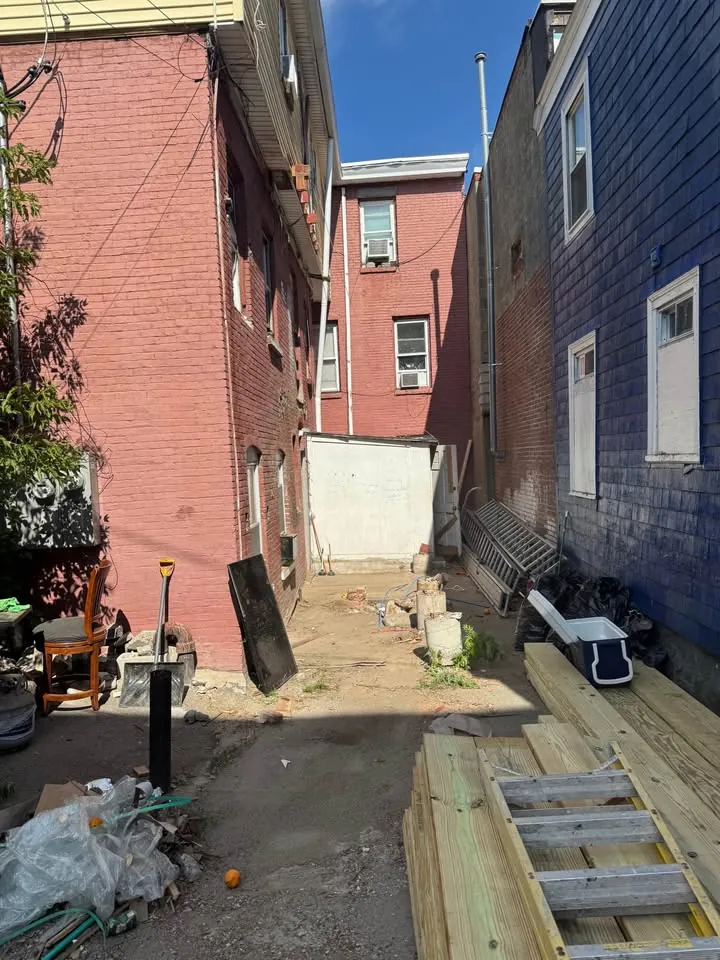
Map the route
Start at the work area and follow every step to the receiving vehicle. Measure doorways, corridors, elevators, stairs and loading points. Identify occupied spaces, emergency exits and surfaces requiring protection. A route that works for a person may not work for loaded carts or equipment.
Building management may restrict freight-elevator use, noisy activity and loading. Put those windows into the demolition sequence. If material cannot be staged safely, plan smaller removals and more frequent loading instead of allowing debris to collect.
Public space needs permission
Using a sidewalk, boulevard, road, lane or other public right-of-way for bins, hoarding, scaffolding, cranes or related construction activity can require a City Street Occupation Permit. The permit must be obtained before relying on that space.
Toronto's Road Disruption Activity Reporting System applies to occupations of the public right-of-way and requires the related permit information. Sites near transit infrastructure can also be subject to additional coordination. Confirm these conditions early because they influence vehicle size, timing and location.
Protect neighbours and the building
Downtown sites are often close to occupied offices, homes and storefronts. Dust barriers, corridor protection, controlled doors and planned noisy periods help separate demolition from normal building use. Chapter 591 noise rules and any property-specific conditions both need attention.
Vibration may be relevant near adjacent structures or sensitive finishes. Toronto Municipal Code Chapter 363 includes construction-vibration provisions. The design and permit team should determine whether forms, consultation, monitoring or other measures apply to the specific project.
Sequence for limited space
Small tools, sectional removal and scheduled loading can be more suitable than large equipment in a restricted building. Service isolation and designated-substance information remain prerequisites even when the visible scope is small. Limited access never justifies bypassing those requirements.
MetroPoint reviews the route, staging constraints and retained areas during the site visit. The written scope can then align demolition, protection and disposal with building and municipal permissions. Final approval for public-space occupation comes from the City, not the demolition contractor.
Before any demolition begins
Every demolition project should begin with a scope tied to the actual property. Confirm who holds the permit, who is responsible for professional design, and which services must be disconnected or protected. The owner must address the designated-substance duties in section 30 of Ontario's Occupational Health and Safety Act before tendering or arranging the project. Where asbestos-containing material may be disturbed, Ontario Regulation 278/05 applies. These provincial duties remain relevant even when a municipal permit or property approval is already in place.
A site review should record access, occupied areas, neighbouring conditions, items to remain and the route used to remove material. The written scope can then separate demolition from electrical, plumbing, abatement, engineering, restoration and later construction work. If concealed conditions differ from the documents, the affected removal should pause until the responsible party reviews the change. This guide provides general planning information, not legal or engineering advice. Confirm current requirements with the City, the property authority and qualified project professionals.
Key takeaways
- Trace the full debris route before work.
- Book building access in the demolition sequence.
- Obtain City permission before occupying public space.
- Consider noise and vibration near neighbours.