
Toronto Demolition Noise Rules
Toronto normally permits clearly audible construction noise from 7 a.m. to 7 p.m. on weekdays and 9 a.m. to 7 p.m. on Saturdays. It is prohibited on Sundays and statutory holidays unless an applicable exemption allows it. Demolition falls within these construction-noise rules under Chapter 591.
Because the bylaw can be amended, confirm the current hours and any site-specific conditions before finalising the schedule.
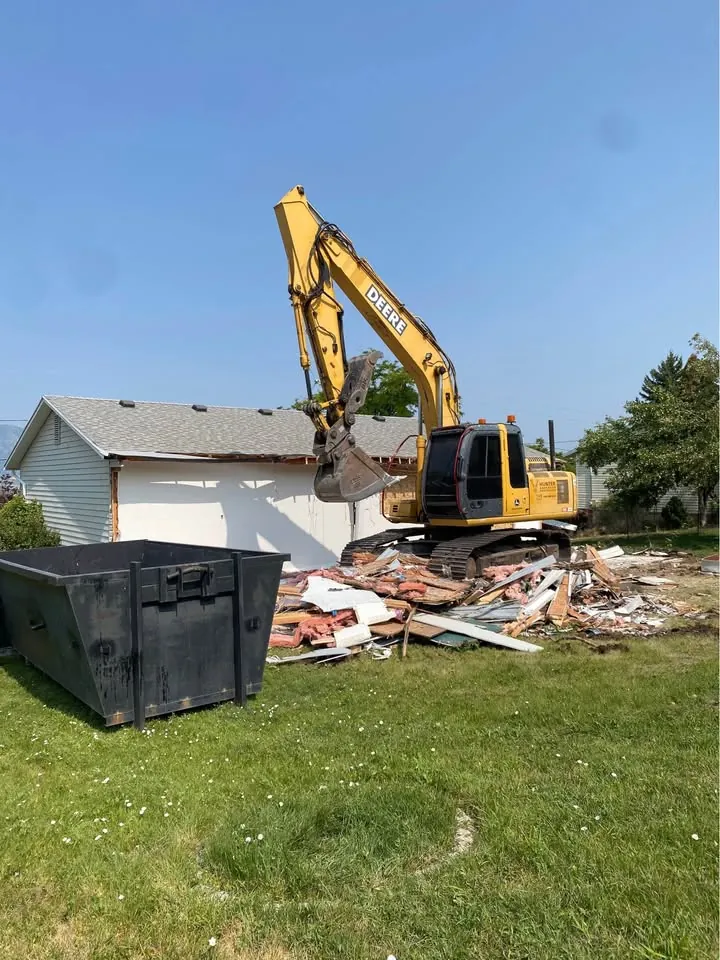
Why demolition falls under the noise bylaw
Toronto Municipal Code Chapter 591 defines construction to include dismantling and demolition. That means common demolition activities such as breaking, cutting, loading and equipment operation are considered through the construction-noise rules rather than a separate demolition schedule. The property type does not remove the need to consider the bylaw.
The bylaw is only one part of scheduling. A building permit, street occupation permit, condominium rule, landlord requirement or construction management plan may impose additional limits. A project should follow the most restrictive condition that applies to the work, not assume the general municipal period is the only control.
Confirm the current permitted period
Toronto has amended Chapter 591 over time. Before work is booked, review the current consolidated chapter or confirm the applicable period with the City. Avoid relying on an older contractor article, a saved screenshot or hours remembered from a previous project. A schedule that was acceptable on one site may not satisfy current rules or another property's conditions.
Separate quiet activities from work likely to create audible construction noise. Delivery, equipment start-up, concrete breaking and debris loading can each affect nearby occupants. Planning these tasks inside the applicable period reduces disruption and the risk of a complaint interrupting the sequence.
When an exemption may be relevant
Toronto provides a Noise Exemption Permit process for activity outside permitted periods or above applicable limits. An exemption is not automatic and should not be treated as permission while an application is pending. The City publishes its process and lead-time requirements, so the project team should review them early if unusual scheduling is essential.
Occupied buildings often need a second layer of coordination. Property management may control elevators, loading areas, corridor protection and tenant notices. Those rules are contractual or operational requirements even when the municipal bylaw would otherwise allow work.
Build noise control into the scope
The written demolition scope should identify the expected work period, access route and noisy operations. Practical controls can include sequencing, closing doors, maintaining work-zone barriers and avoiding unnecessary equipment idling. The correct controls depend on the building, neighbouring uses and materials being removed.
If a complaint occurs, stop and confirm what condition applies before continuing outside the agreed plan. Keep permit documents, any exemption and building approvals available to the site team. MetroPoint can review access and sequencing during an on-site assessment, while the City remains the authority on its bylaw and exemptions.
Before any demolition begins
Every demolition project should begin with a scope tied to the actual property. Confirm who holds the permit, who is responsible for professional design, and which services must be disconnected or protected. The owner must address the designated-substance duties in section 30 of Ontario's Occupational Health and Safety Act before tendering or arranging the project. Where asbestos-containing material may be disturbed, Ontario Regulation 278/05 applies. These provincial duties remain relevant even when a municipal permit or property approval is already in place.
A site review should record access, occupied areas, neighbouring conditions, items to remain and the route used to remove material. The written scope can then separate demolition from electrical, plumbing, abatement, engineering, restoration and later construction work. If concealed conditions differ from the documents, the affected removal should pause until the responsible party reviews the change. This guide provides general planning information, not legal or engineering advice. Confirm current requirements with the City, the property authority and qualified project professionals.
Key takeaways
- Demolition is construction noise under Chapter 591.
- Check the current City rules before fixing work hours.
- Building rules may be stricter than the municipal period.
- An exemption must be approved before relying on it.