
Residential guide
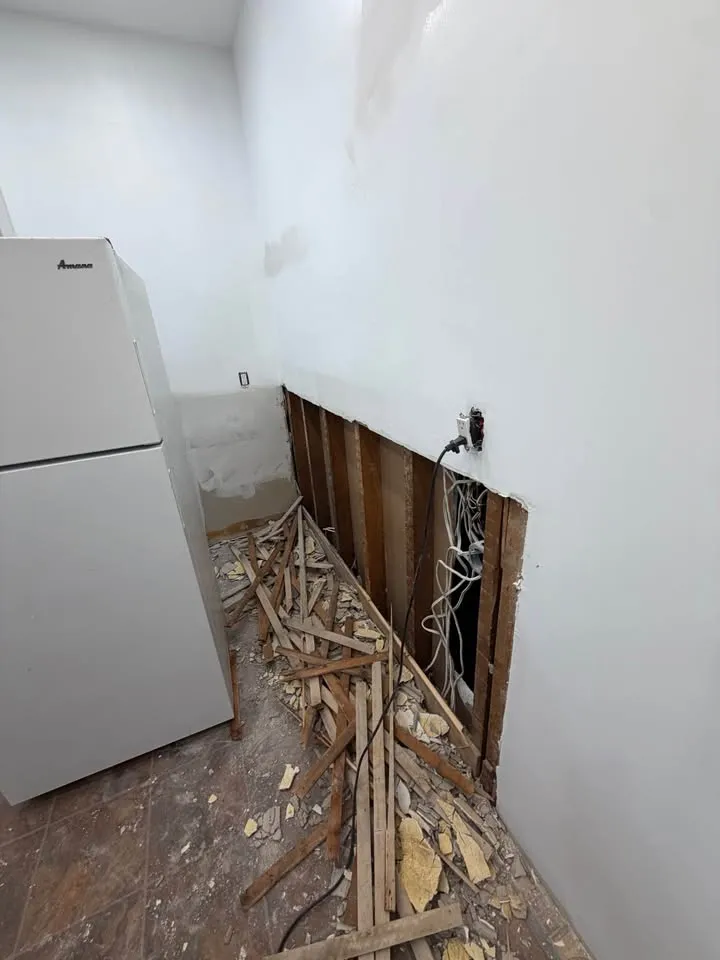
What happens when demolition uncovers something unexpected in a Toronto house?
The crew stops work in that area and the right person looks at the finding before anything continues. Once the situation is understood, the scope is adjusted in writing so everyone knows what changes.
- Hidden conditions
- Older homes
- Scope changes
MetroPoint Demolition planning guide · Published 2026-09-28. Confirm property-specific requirements with the responsible authority and qualified project professionals.
Knob-and-tube wiring
Older houses often still hide sections of knob-and-tube wiring, even after updates. It may be live. The crew stops and calls in a licensed electrician, who confirms whether it is active, disconnects it safely and advises on replacement.
A suspect material not on the survey
Sometimes demolition reveals material that the survey did not identify. Work in the affected area pauses for qualified assessment. Required asbestos work is handled by a separate qualified contractor under O. Reg. 278/05 before MetroPoint disturbs the affected material; other substances require their applicable controls and release conditions.
Rot, water damage or staining
Opened walls and floors often show old leaks. The owner is told right away, and the owner's contractor or an engineer assesses how far the damage goes and whether framing needs repair. Common signs include:
Opening walls and floors can reveal the history of leaks that were patched at the surface without exposing the affected framing. A stain near a window may follow failed flashing, while discolouration around a bathroom can trace to a slow supply or drain leak hidden beneath finishes. The crew stops at the boundary of the condition, photographs what is visible and tells the owner before removing more material that could obscure the source. Soft or crumbling wood, rusted fasteners, delaminated subfloor and mould on the back of finishes are recorded separately because they can indicate different repair needs. Demolition workers do not decide whether a structural member remains adequate or diagnose the cause of ongoing moisture. The owner's contractor, waterproofing specialist or engineer reviews the exposed area and directs what should happen next. If the source is an active plumbing line, a plumber isolates it before adjacent removal resumes. The crew can often continue in unaffected rooms while the finding is assessed, provided containment and structural conditions allow it. Removed material from the affected area is kept separate when the condition calls for special handling. Once direction is received, the scope change identifies exactly how far additional removal extends and what remains protected. Handling the finding in this sequence preserves evidence, puts the decision with the right professional and avoids rebuilding over a condition that is still unresolved.
- Dark staining on studs, sheathing or subfloor
- Soft or crumbling wood
- Mould on the back of finishes
Abandoned or unmapped services
Old pipes, ducts and gas lines are sometimes left in place when a house is renovated. A line that looks abandoned may still be connected. A plumber confirms water and drain lines, and a gas technician confirms any gas piping, before anything is cut.
Framing that does not match the drawings
Drawings do not always show what was actually built, especially after earlier renovations. If a beam, post or joist is not where the plans say, or a wall appears to carry load after all, work stops and an engineer reviews the condition before removal continues.
Pests
Nests, droppings or signs of insects are common in older walls and ceilings. The owner is informed, and a pest control professional deals with active infestations before the area is opened further.
How MetroPoint documents a finding
When our crew finds something unexpected, we stop in that area, photograph it and notify the owner before the affected work resumes. We explain which trade or professional needs to look at it, keep the rest of the job moving where it is safe to do so and confirm any change to the interior or selective scope in writing before that area resumes.
Primary planning references
Frequently asked questions
- Does an unexpected finding stop the whole job?
- Usually not. Work stops in the affected area while the right trade or professional investigates, but other parts of the house can often continue safely. The crew separates the area and carries on elsewhere where possible. The decision depends on the finding and whether it affects safety beyond that spot.
- Who decides what to do about a finding?
- The owner decides, with advice from the right expert: an electrician for wiring, a surveyor and abatement contractor for suspect materials, an engineer for structure, a plumber or gas technician for services. The demolition crew reports what it found and explains the options, but it does not make those calls on its own.
- Why does the scope need to change in writing?
- A written change makes sure everyone agrees on what is being added, removed or delayed because of the finding. It prevents misunderstandings about who is responsible for the extra work and keeps the project record accurate. Verbal agreements on a busy site are easy to forget or remember differently.
- Can a thorough survey prevent all surprises?
- It reduces them, but it cannot eliminate them. Surveyors sample materials they can reach, and some layers only become visible once walls and floors are opened. That is why crews stay alert throughout the job and stop whenever something looks different from what the survey and drawings describe.