
Vacant Lot Responsibilities After Demolition
After demolition, the owner must keep the site safe and maintained, complete permit close-out, and address grading, debris, fencing and exposed hazards as applicable.
Define the required handover condition before work so demolition, site work and later construction responsibilities are not confused.
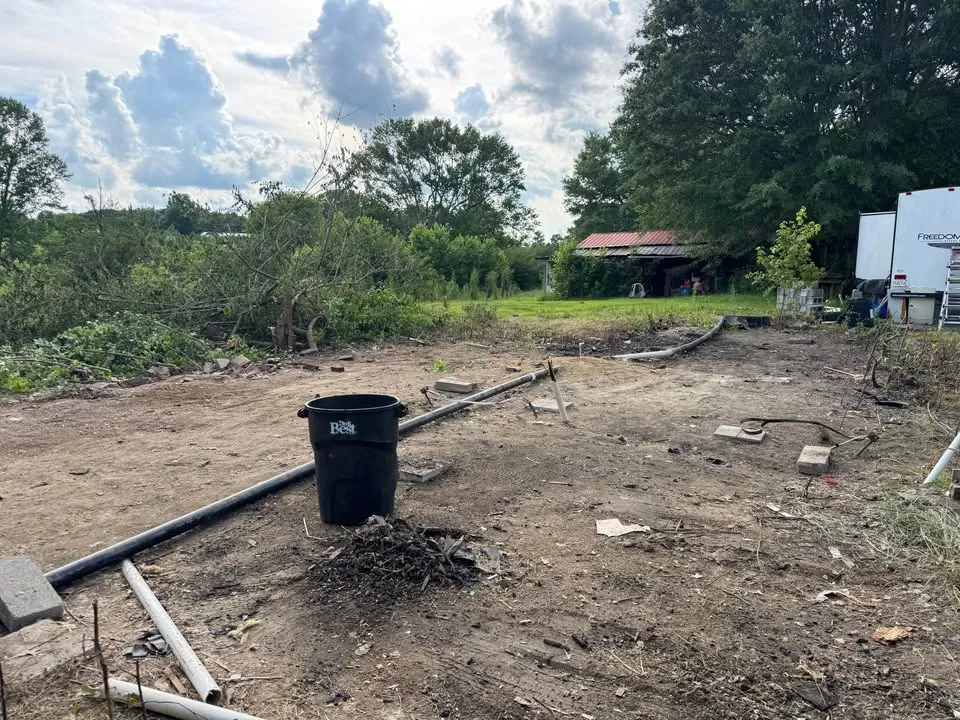
Define what demolition leaves behind
A demolition contract should say whether the handover is a cleared slab, removed foundation, graded lot or another defined condition. Excavation, backfill, compaction, grading and utility abandonment are separate tasks unless the written scope includes them.
This distinction matters because the safest immediate condition and the future construction condition may be different. The permit documents, design team and City inspection requirements should guide the final site treatment.
Secure and maintain the property
Toronto property rules address hazardous and vacant conditions. Depending on the site, fencing, access control, removal of loose debris and treatment of open excavations may be required. A cleared lot must not be left with an avoidable danger to neighbours or the public.
Continue routine property maintenance after the demolition crew leaves. Control garbage and vegetation, monitor temporary fencing and respond to drainage or settlement issues. Requirements can vary with the site, permit and future use, so obtain direction from the responsible City division where unclear.
Close the demolition permit
Request the required Toronto Building inspection rather than assuming the permit closes when the structure is gone. The City may require site or grading information for the applicable permit path. Keep inspection records and resolve outstanding conditions.
Utilities also need a documented end state. Service removal, capping or abandonment is handled by utility owners and appropriate licensed trades according to their requirements. Mark any retained service for the next project team.
Prepare for the next phase
If construction will follow, coordinate the demolition handover with the replacement-building drawings and schedule. Protect survey points and retained services, and avoid grading or backfill that conflicts with the approved next phase.
MetroPoint can define demolition removal and clean-up in its written scope. Property maintenance, permit closure and future construction remain ongoing owner and project-team responsibilities. A clear division of work prevents an apparently finished demolition from leaving an unresolved site condition.
Before any demolition begins
Every demolition project should begin with a scope tied to the actual property. Confirm who holds the permit, who is responsible for professional design, and which services must be disconnected or protected. The owner must address the designated-substance duties in section 30 of Ontario's Occupational Health and Safety Act before tendering or arranging the project. Where asbestos-containing material may be disturbed, Ontario Regulation 278/05 applies. These provincial duties remain relevant even when a municipal permit or property approval is already in place.
A site review should record access, occupied areas, neighbouring conditions, items to remain and the route used to remove material. The written scope can then separate demolition from electrical, plumbing, abatement, engineering, restoration and later construction work. If concealed conditions differ from the documents, the affected removal should pause until the responsible party reviews the change. This guide provides general planning information, not legal or engineering advice. Confirm current requirements with the City, the property authority and qualified project professionals.
Key takeaways
- Write the exact handover condition into the scope.
- Keep the vacant site secured and maintained.
- Request the required final inspection.
- Document retained and abandoned services.