
Where Demolition Debris Goes in Toronto
Demolition debris should be separated where practical and delivered to a receiving facility authorized for that material.
The correct destination depends on the material, source and facility rules, so disposal planning belongs in the written demolition scope.
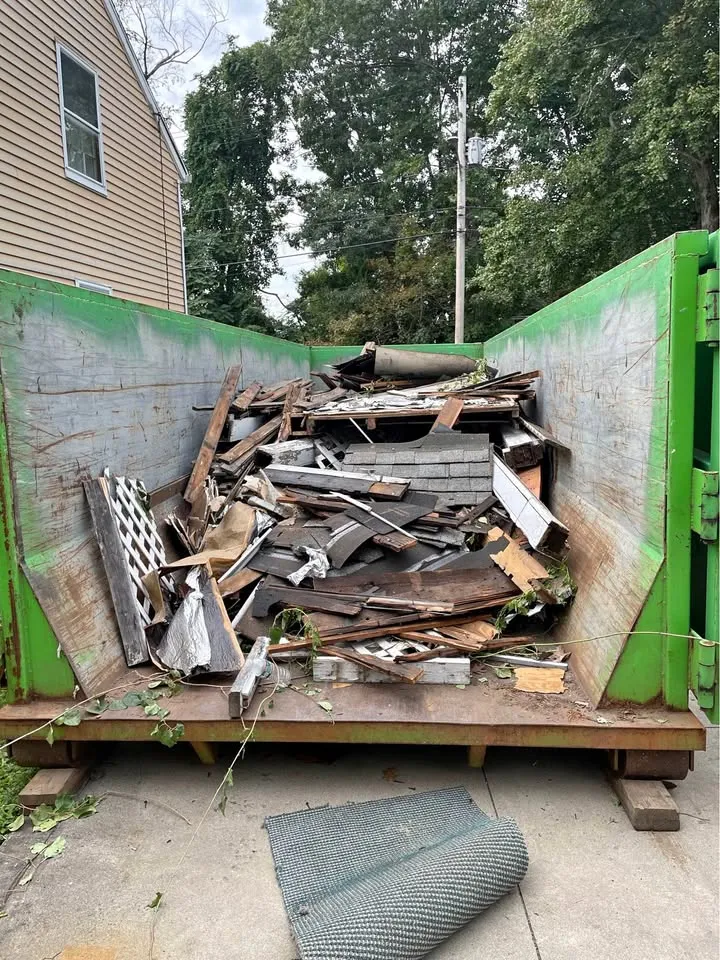
Start with the material list
A demolition load can contain concrete, masonry, metal, wood, drywall, flooring, fixtures and mixed residual material. Each stream has different handling options. A site review and designated-substance information help identify what can enter an ordinary construction load and what needs a specialised process.
Suspect hazardous material should never be mixed into general debris. If asbestos-containing material is present, Ontario Regulation 278/05 governs the work that may disturb it. Other regulated materials also require handling appropriate to their classification.
Separate where the site allows
Sorting can happen in the work area, at a controlled staging point or at a receiving facility. The practical method depends on space, access, building rules and the volume of each material. Downtown sites may have very limited room, while an open residential site can support separate piles or containers.
Keep the route from the work area to the vehicle clear and protect retained finishes. Loads must be secured for transport. The project scope should state who supplies containers, who loads them and whether daily removal is required by the property.
Use an appropriate receiving facility
Toronto operates transfer stations and drop-off depots with published acceptance rules. Those rules distinguish customer and material categories and can change. Commercial demolition operators may also use private facilities with the approvals needed for the material they receive.
Do not assume every depot accepts every construction material or customer. Check the current facility rules, operating conditions and load requirements before dispatch. A rejected load creates extra travel and can disrupt a time-limited loading booking.
Document the disposal plan
A clear proposal identifies removal, loading and disposal rather than treating debris as an afterthought. For projects with owner or building reporting requirements, agree in advance on what records are needed and who retains them.
MetroPoint sorts and takes removed material to appropriate receiving facilities as defined in the scope. The company does not claim that every material can be recycled, because the outcome depends on contamination, local facilities and acceptance standards. Accurate sorting and lawful delivery are the practical priorities.
Before any demolition begins
Every demolition project should begin with a scope tied to the actual property. Confirm who holds the permit, who is responsible for professional design, and which services must be disconnected or protected. The owner must address the designated-substance duties in section 30 of Ontario's Occupational Health and Safety Act before tendering or arranging the project. Where asbestos-containing material may be disturbed, Ontario Regulation 278/05 applies. These provincial duties remain relevant even when a municipal permit or property approval is already in place.
A site review should record access, occupied areas, neighbouring conditions, items to remain and the route used to remove material. The written scope can then separate demolition from electrical, plumbing, abatement, engineering, restoration and later construction work. If concealed conditions differ from the documents, the affected removal should pause until the responsible party reviews the change. This guide provides general planning information, not legal or engineering advice. Confirm current requirements with the City, the property authority and qualified project professionals.
Key takeaways
- Identify material streams before demolition.
- Keep regulated material out of general debris.
- Confirm current facility acceptance rules.
- State loading and disposal responsibilities in writing.