
Commercial guide
What should a commercial tenant clear out before a strip-out starts in Toronto?
Clear out everything you want to keep or are responsible for under the lease, along with anything the demolition crew is not licensed to handle. What remains after that is what the strip-out scope covers.
- Tenant move-out
- Strip-outs
- Lease handback
MetroPoint Demolition planning guide · Published 2026-09-28. Confirm property-specific requirements with the responsible authority and qualified project professionals.
Inventory, furniture and equipment
Stock, furniture and equipment belong to the tenant and should be sold, moved or stored before the crew arrives. Anything left behind can end up in a bin. If some items are meant to be removed as part of the scope, list them in writing so nothing valuable is mistaken for debris.
IT, phones and signage
Computers, servers, phones and network equipment should be removed by the tenant or its IT provider. Data cabling can usually stay for the crew to remove as part of the strip-out. Signage the tenant owns, including interior feature signs, should be taken down or clearly marked if it is to be discarded.
Alarms, security and building systems
Tenant-owned alarm, access control and camera systems should be deactivated by their provider before work begins. Otherwise, dust or cut wires can trigger false alarms and dispatches. Base-building fire alarm devices are different: they belong to the landlord and stay working throughout.
Chemicals, waste and records
Some items should never be left for a demolition crew:
Items outside general demolition need their own removal plan before the suite is handed to the crew. Cleaning products, paints, solvents and maintenance chemicals should be identified by the tenant and taken away through an appropriate service, not left in unlabelled containers for someone else to sort. Cooling equipment needs attention before it moves because refrigerant is recovered by a certified technician, even when the appliance looks small or no longer runs. Food and perishables are cleared before power is changed or waste service ends so the empty unit does not develop an odour or pest problem. Medical and biomedical waste, including sharps, stays with the tenant's specialised waste provider and never enters a construction bin. Records deserve the same deliberate treatment. Paper files, storage drives, labels and discarded equipment may contain client, patient or employee information that a demolition contractor cannot assess. The tenant removes or securely destroys those materials before the final walkthrough. A room-by-room check should include cupboards, ceiling storage, utility closets, refrigerators and cabinets beneath sinks, where forgotten containers often remain after furniture has gone. The contractor can then verify that only ordinary contents listed in the scope are left. Clearing these categories early keeps the first demolition day focused on building materials and prevents a stop while the tenant searches for a qualified carrier or decides who owns sensitive material.
- Cleaning chemicals, paints and solvents
- Equipment containing refrigerants, which a certified technician must recover
- Food and anything perishable
- Medical or biomedical waste, collected by a licensed carrier
- Business records, files and anything with personal information
Landlord items and utilities
The landlord or property manager usually needs insurance certificates from the contractor, arranges access and books the elevator or loading area where the building has one. Utilities also need a plan. Power and water often stay on for lighting, tools and cleanup, while other services are isolated. Agree who coordinates each one before the first day, so the crew is not waiting on a shutoff or working without power.
A final walkthrough with photos
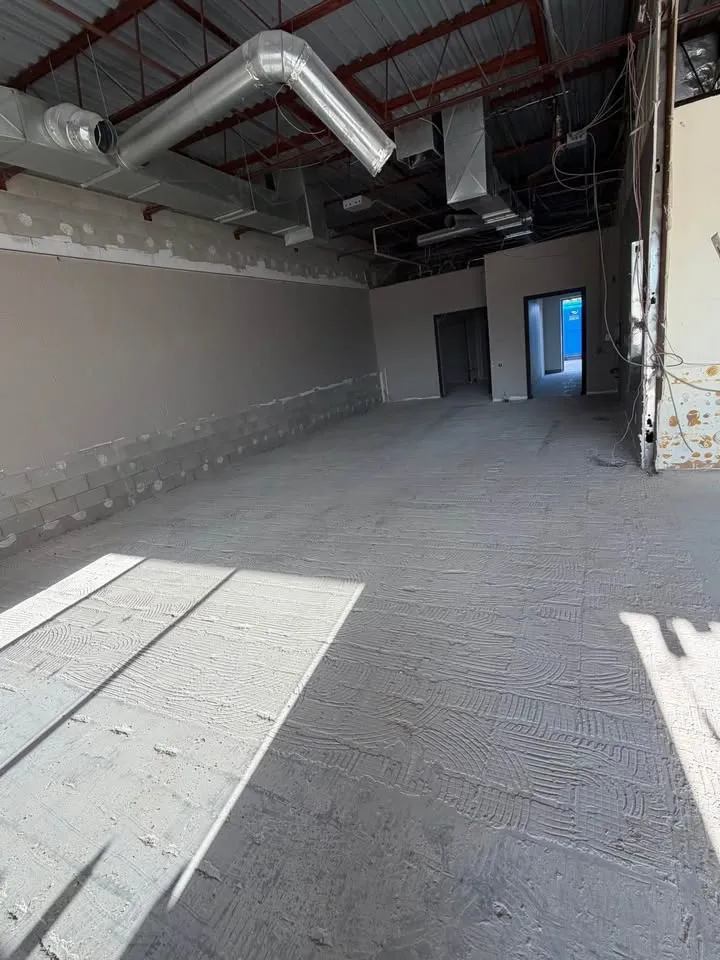
Before the crew starts, walk the empty space with the landlord and the contractor. Take photos of every room, note anything that stays and confirm the base-building elements in the lease. Our guide on commercial strip-out scope and timeline covers how that walkthrough fits the wider plan.
How MetroPoint runs that walkthrough
MetroPoint walks the suite with the tenant and landlord before mobilizing. We photograph each area, mark retained items, confirm that tenant systems are deactivated and that nothing hazardous or confidential has been left behind. The agreed scope for the commercial or office strip-out is then tied to that record so everyone knows exactly what will be removed.
Primary planning references
Frequently asked questions
- Can the demolition crew remove leftover furniture?
- Usually yes, if it is agreed in the scope. Leftover furniture and loose items can be removed along with the strip-out debris. The key is to list them so the crew knows they are meant to go. Anything valuable or sentimental should be taken out by the tenant beforehand to avoid any confusion on the first day.
- Should we leave the data cabling in place?
- Generally yes. Removing low-voltage and data cabling is a normal part of a strip-out, and the crew can take it back to the base-building points listed in the scope. Your IT provider should remove equipment such as switches, servers and phones, and confirm that nothing still in use depends on the cabling.
- Who turns off the security system?
- The tenant's alarm or security provider. Deactivating the system before work begins prevents false alarms caused by dust, vibration or disconnected wiring. It also avoids accidental police or monitoring dispatches. Remember that the building's fire alarm is separate and must stay active, so only tenant-owned systems should be turned off.
- Why take photos before the strip-out starts?
- Photos create a shared record of the space as it was handed over, including anything that is meant to stay. They help settle questions about retained items, pre-existing damage or base-building condition later on. A few minutes with a phone at the walkthrough can save a long discussion at lease handback.
Contents, strip-out or full gut?
Contents clear-out
Loose stock, records and movable items are an owner/tenant disposition task.
Do not infer a new MetroPoint cleanout offer from this distinction; confirm collection arrangements separately.
Selected strip-out
Identify fixed fixtures, partitions or finishes that leave.
Retained building elements and shared services need explicit boundaries.
Full interior gut
A wider removal extent still has structural, service and material exclusions.
The written scope and reviewed building information control the boundary, not the word everything.
First clear ownership and sensitive or specialist contents through the responsible parties. Then compare the physical fit-out with the landlord's required condition. A smaller enquiry is not incomplete simply because only selected components need to leave.